Neighborhoods:Triana
Recommended time
2-3 hours
Best moment
Late afternoon
About
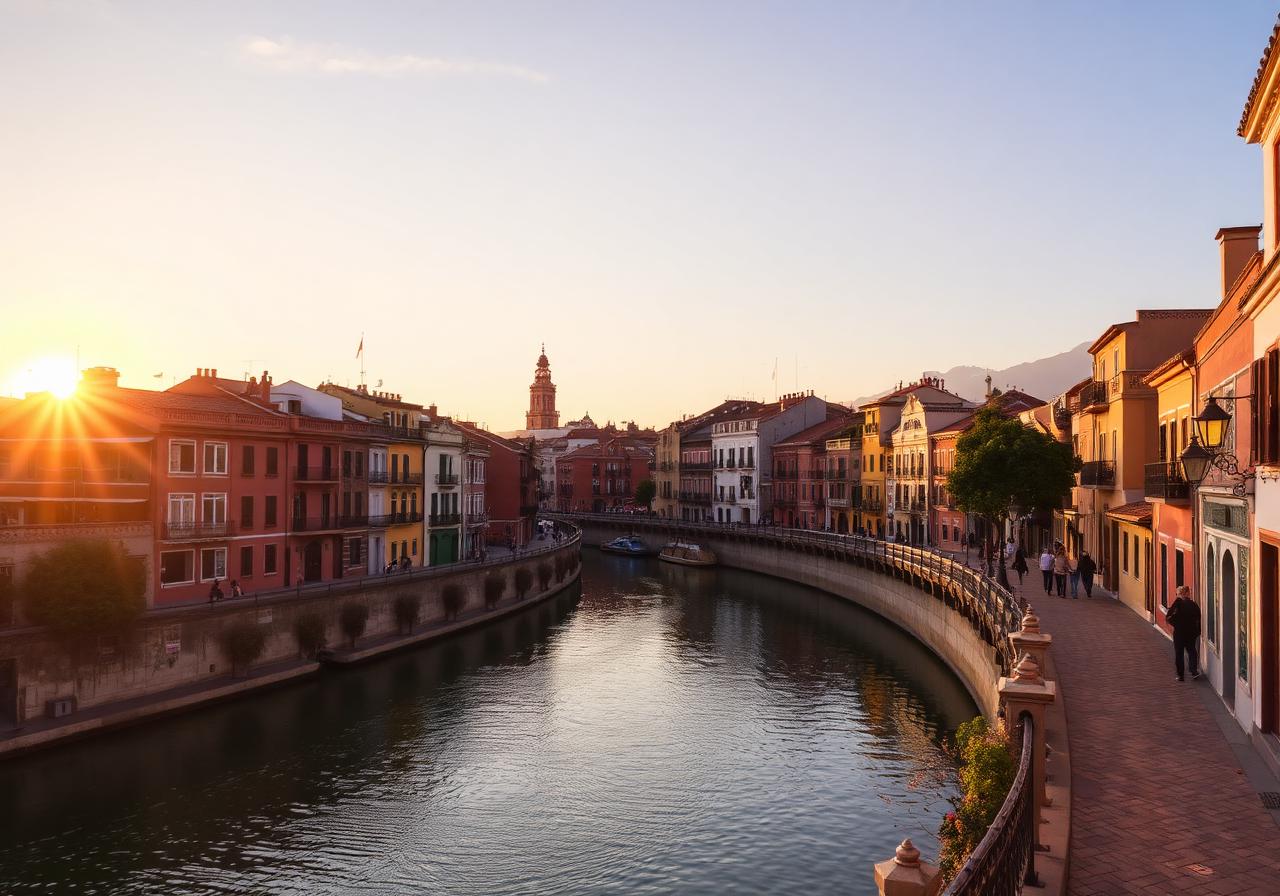
Cradle of singers, bullfighters and potters. Stroll along Calle Betis at sunset.
History
Triana was born across the river and has always felt like its own city. A neighbourhood of sailors and potters, of Roma families and singers, it gave birth to flamenco styles that are now world heritage. The old Inquisition stood here, navigators lived here, and the ceramics that travelled to the Americas were fired here.
What to look at
Triana Market, Sailors' Chapel, Calle Betis and the ceramic workshops of Calle Alfarería.
Recommended duration
2–3 h
Best moment
Evening for the flamenco atmosphere.
Ideal for
Flamenco, food, local life.
Nearby
Isabel II Bridge, Calle Pureza, Sailors' Chapel.
Visitor tip
Dine on a Calle Betis terrace with the Cathedral skyline across the river.
Why visit
Sevilla's most authentic side lives here.
Tips
Cross Triana bridge at sunset and dine riverside.
Related
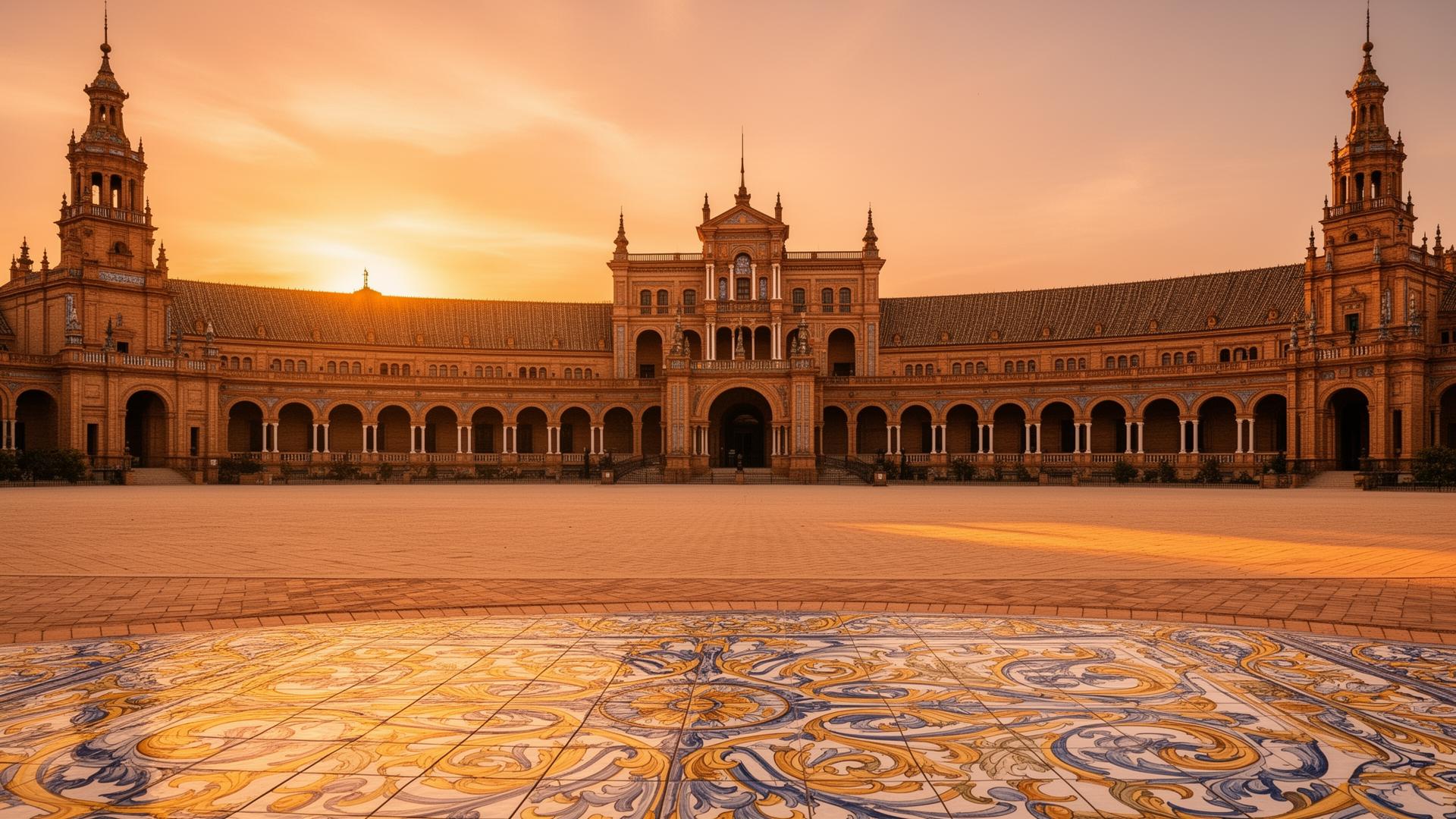
Azulejos route
Triana ceramics and Plaza España benches.
How to walk Triana in two hours
Cross by the Isabel II bridge, the oldest iron bridge in Spain, and start at the Carmen chapel. To the right stands Triana Market, built over the remains of the Castle of San Jorge, once the seat of the Inquisition: the basement is now a free interpretation centre.
From the market, Calle Callao and Calle Betis trace the riverside walk; inland, San Jacinto and Pureza stitch together the neighbourhood of ceramics, brotherhoods and communal courtyards. Finish at the Sailors' Chapel, home to the Esperanza de Triana, the most beloved image in the district.
- Isabel II bridge (1852), the country's oldest iron bridge.
- Triana Market and the Castle of San Jorge, under one floor.
- Calle Betis: the coloured façade facing the river.
- Sailors' Chapel and the Esperanza de Triana.
Ceramics, flamenco and craft
For centuries Triana was the potters' quarter: river clay, kilns and family workshops produced the tiles that dress half of Seville today. Historic workshops still trade on Calle San Jorge and Calle Alfarería, and the Centro Cerámica Triana explains the whole process around kilns preserved in place.
The neighbourhood's other craft is flamenco. Entire dynasties of singers and dancers were born here, and locals still distinguish between tablao flamenco and what comes out of a peña. To understand the difference, start with our flamenco page.
Eating and drinking in Triana
Calle Betis has the views; the inner streets have the prices. A sensible split: a tapa and a beer at a counter on Pureza or San Jacinto at lunchtime, and save Betis for sunset, when the Torre del Oro lights up across the water.
Fried fish, marinated dogfish, montaditos and a cold manzanilla is the classic script. There is more detail, dish by dish, in eating in Seville.
When to go and what is nearby
The market lives in the morning, Tuesday to Saturday; the neighbourhood comes alive at dusk. If you can only pick one moment, pick golden hour on the bridge: the Betis façade reflected in the Guadalquivir is the most honest postcard Seville has.
Across the river are the Torre del Oro and the monumental centre with the Cathedral and the Giralda. To thread it all together, follow the 48-hour guide or browse Seville's neighbourhoods.
Only got a weekend? The 48-hour Seville guide puts Triana at the right time of day and links it to the rest of the old town.
Anu's local tip
Local guide · Sevilla
Cross Isabel II Bridge at sunset, eat bar tapas on Calle Betis with the Cathedral in front, and end with a drink in a neighbourhood tavern. Triana isn't seen — it's walked.
Why go
Once a barrio of sailors, potters, flamenco singers and Gitanos. Modern flamenco and Sevillian ceramics were born here. It's still a real neighbourhood, not a set.
Best time
Sunset and night. Mornings for the Mercado de Triana and the Ceramics Centre. Skip midday with no shade in summer.
What to avoid
Places with laminated photo menus on Calle Betis — tourist traps. And don't treat Triana as a flamenco theme park: choose local peñas, not bus-tour shows.
Best photo spot
From Triana Bridge towards the Cathedral and Torre del Oro at sunset. And under the Capilla del Carmen with tiles and the bridge behind.
Nearby / next
Mercado de Triana for home-style tapas, the Ceramics Centre for local craft, then drinks at Lo Nuestro or Casa Anselma to finish.
With kids
Nice with kids by day: market, riverside walk, ice cream on Betis. Nights are more adult with real atmosphere.
Good to know
Many flamenco peñas open only on set days. Reserved tablaos are comfortable but expensive; peñas expect respect and a minimum drink.