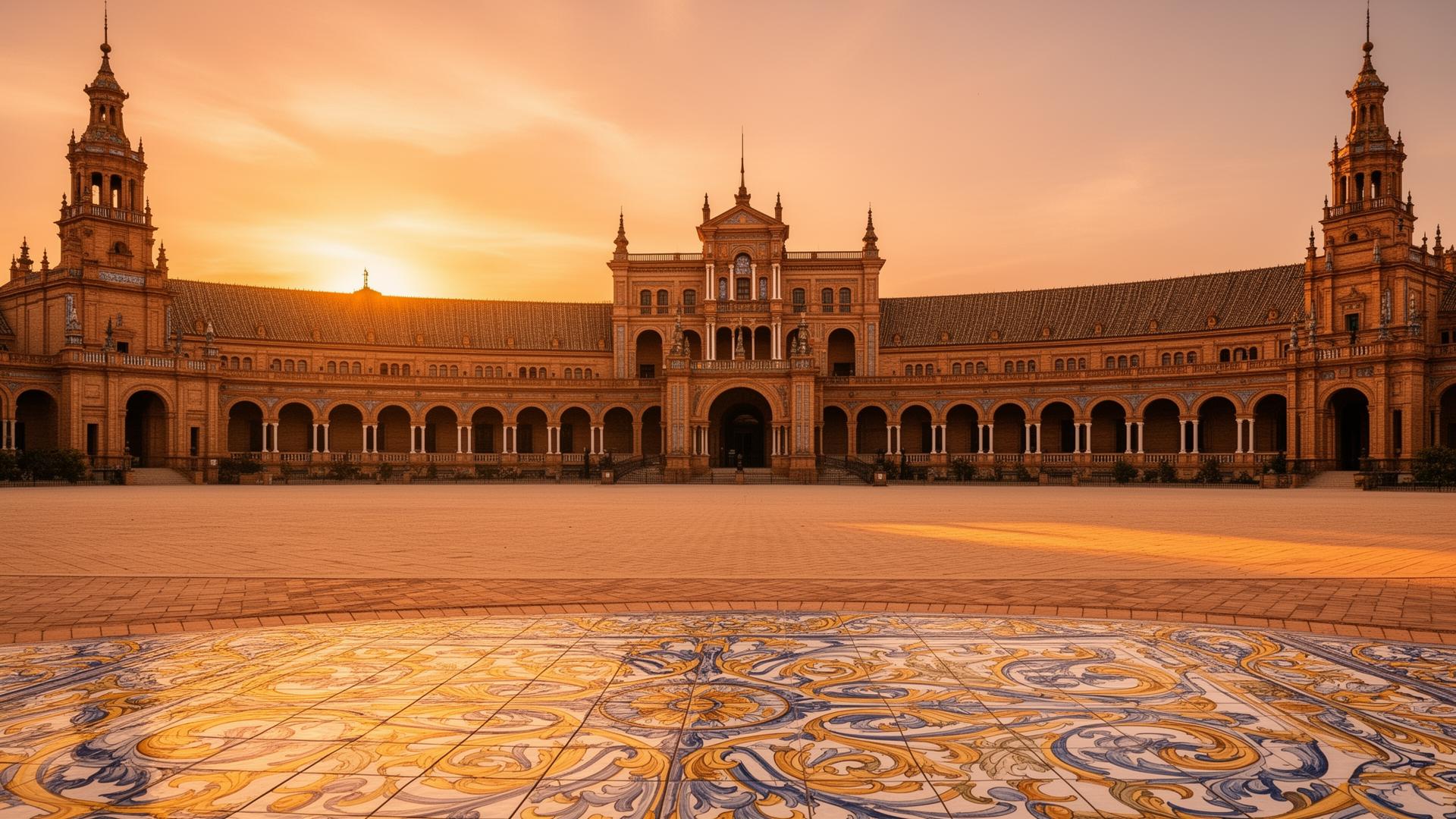
1929 Ibero-American Exposition
Forever changed the city's south. Aníbal González designed Plaza de España, the María Luisa Park pavilions and opened the era of monumental azulejo.
From 1929 to today: parks, bridges, science and contemporary life
Sevilla isn't only centuries of history: it's also a living city that reinvented itself in the 20th and 21st centuries with two world expos, bold architecture and a vibrant cultural scene.
Forever changed the city's south. Aníbal González designed Plaza de España, the María Luisa Park pavilions and opened the era of monumental azulejo.
Seville's romantic garden, redesigned by Forestier for 1929 with shrines to poets, fountains, doves and palms.
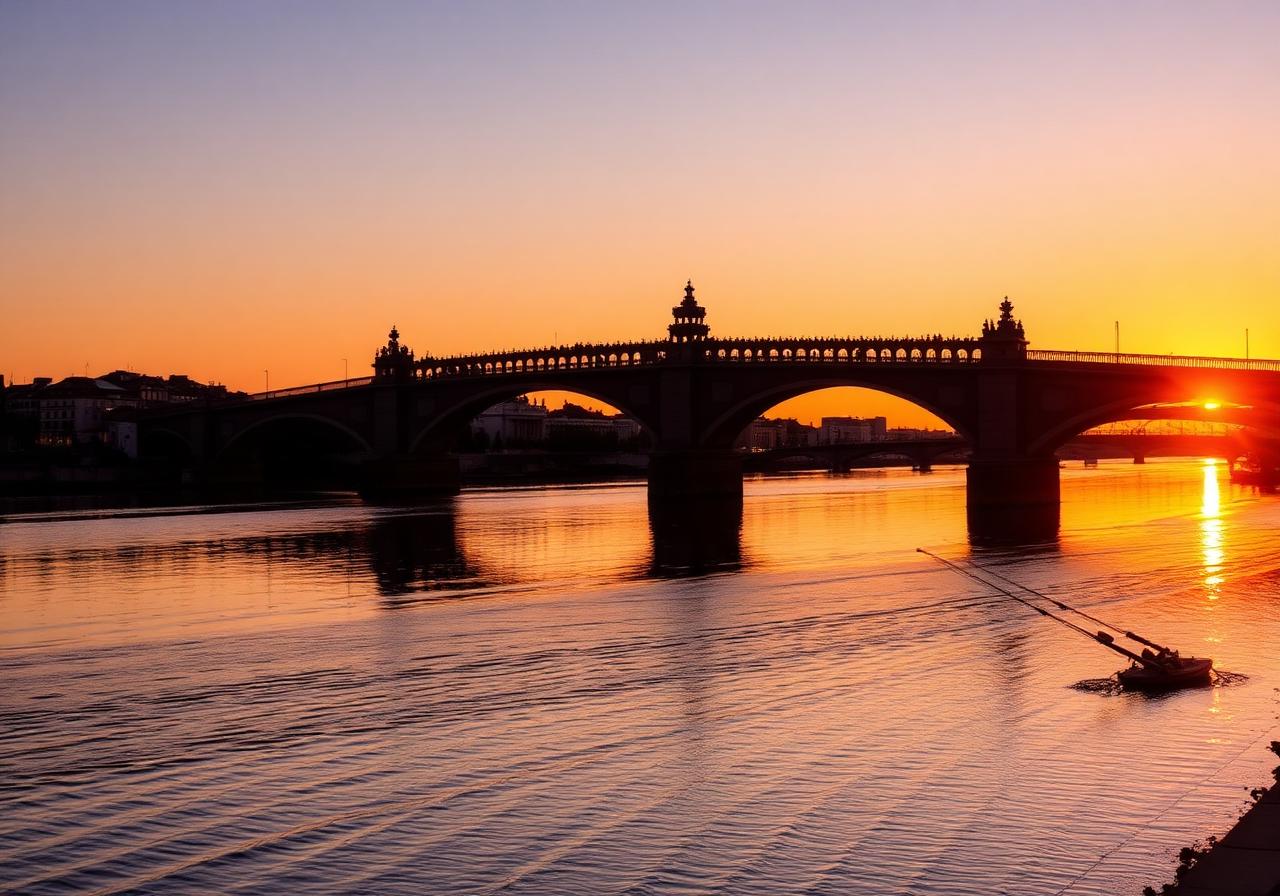
1992 connected Sevilla with the world: high-speed rail, new bridges over the Guadalquivir and La Cartuja turned into a tech, science and sports park.
Former Carthusian monastery, Columbus's workshop, and since 1992 a tech, science and sports park. A piece of future glued to the old town.
Calatrava's Alamillo, the Centenario, La Barqueta: 1992 Seville stitched the Guadalquivir with contemporary engineering.
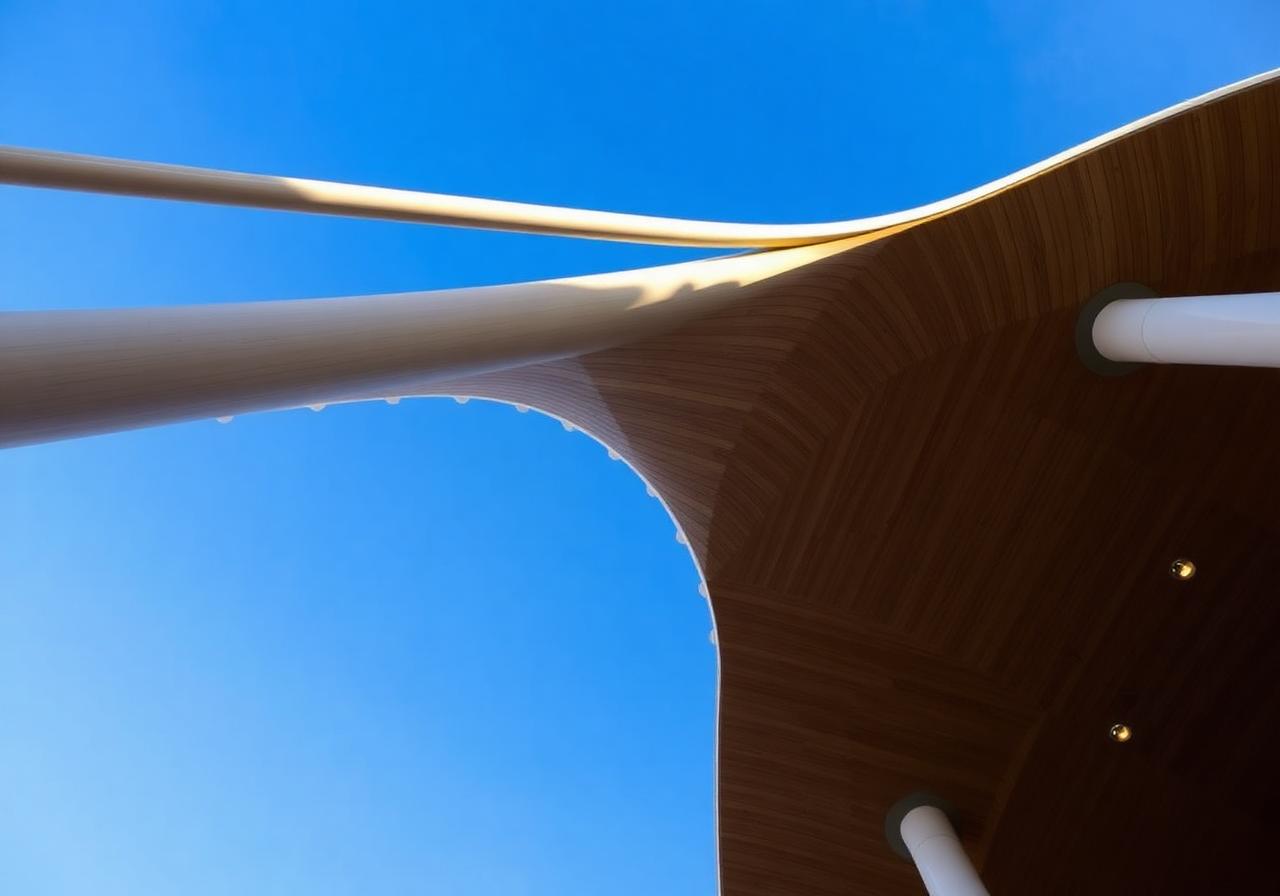
Opened in 2011 by Jürgen Mayer, it transformed Plaza de la Encarnación into an urban viewpoint and a symbol of contemporary Sevillan design.
Universities, festivals (Flamenco Biennial, SEFF), cutting-edge gastronomy and a tourism that coexists with neighborhood life. Mediterranean, Atlantic and Andalusian at once.