The many Sevilles
Layers of history living together in its stones
Seville is not one city but many: Roman Hispalis, Visigothic Seville, Islamic Isbiliya, Christian medieval Seville, the gateway to the Americas, the Baroque, the popular and the modern. Every step in its streets crosses several layers at once.
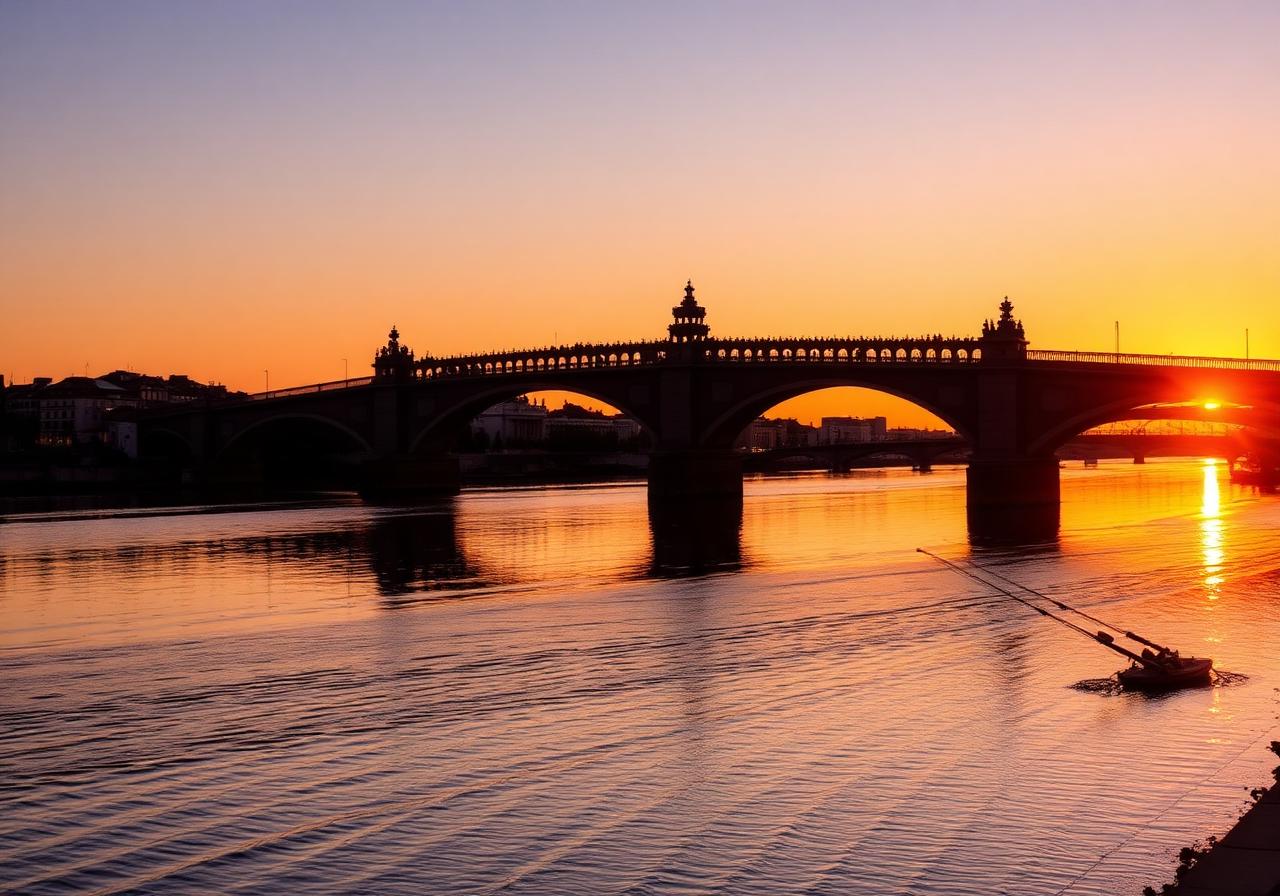
Roman Hispalis
Sevilla was born by the Guadalquivir as a Roman river port. Nearby Itálica, the first Roman city in Hispania, recalls that origin.
View place page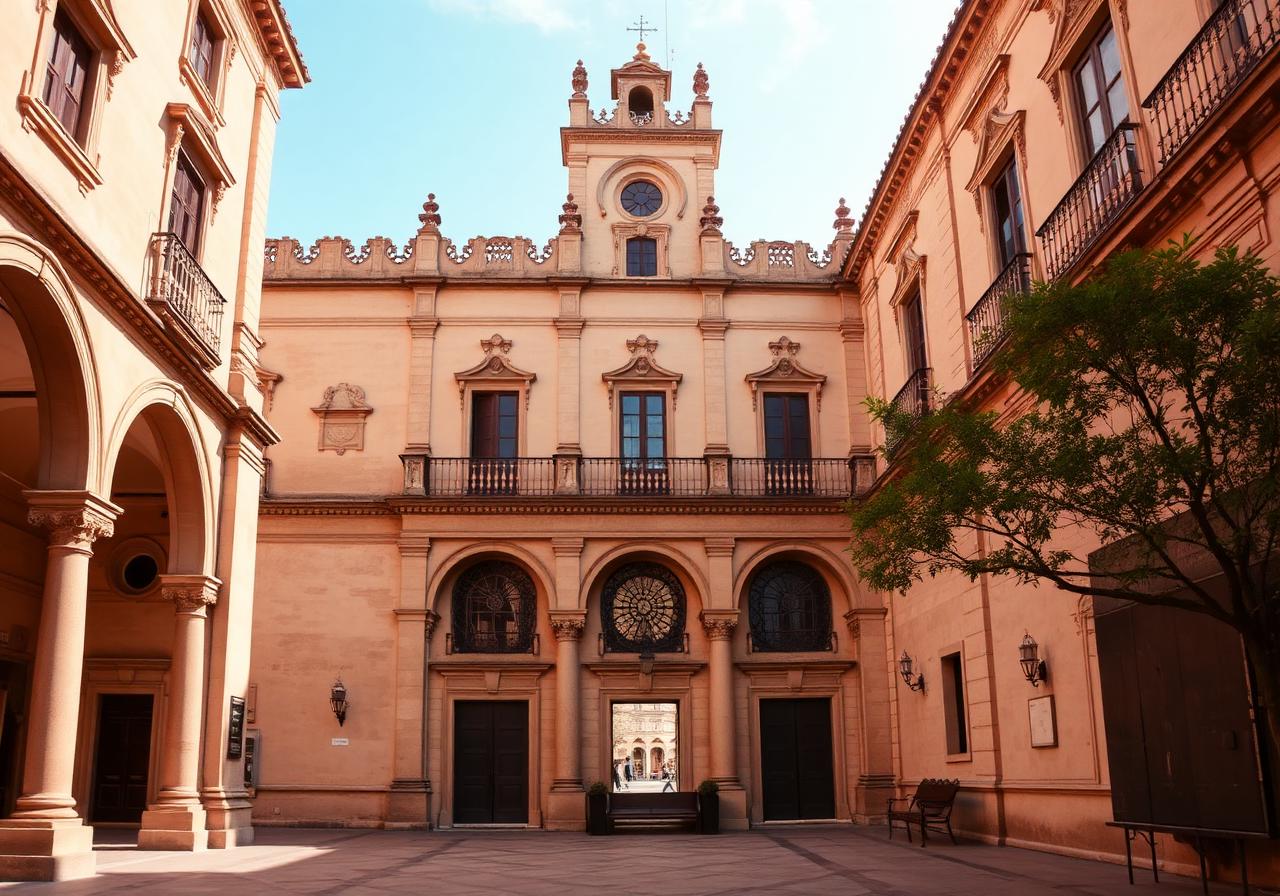
Visigothic Sevilla
After Rome, Sevilla was a Visigothic religious centre and the home of figures like Saint Isidore, one of the great minds of early medieval Europe.
View place page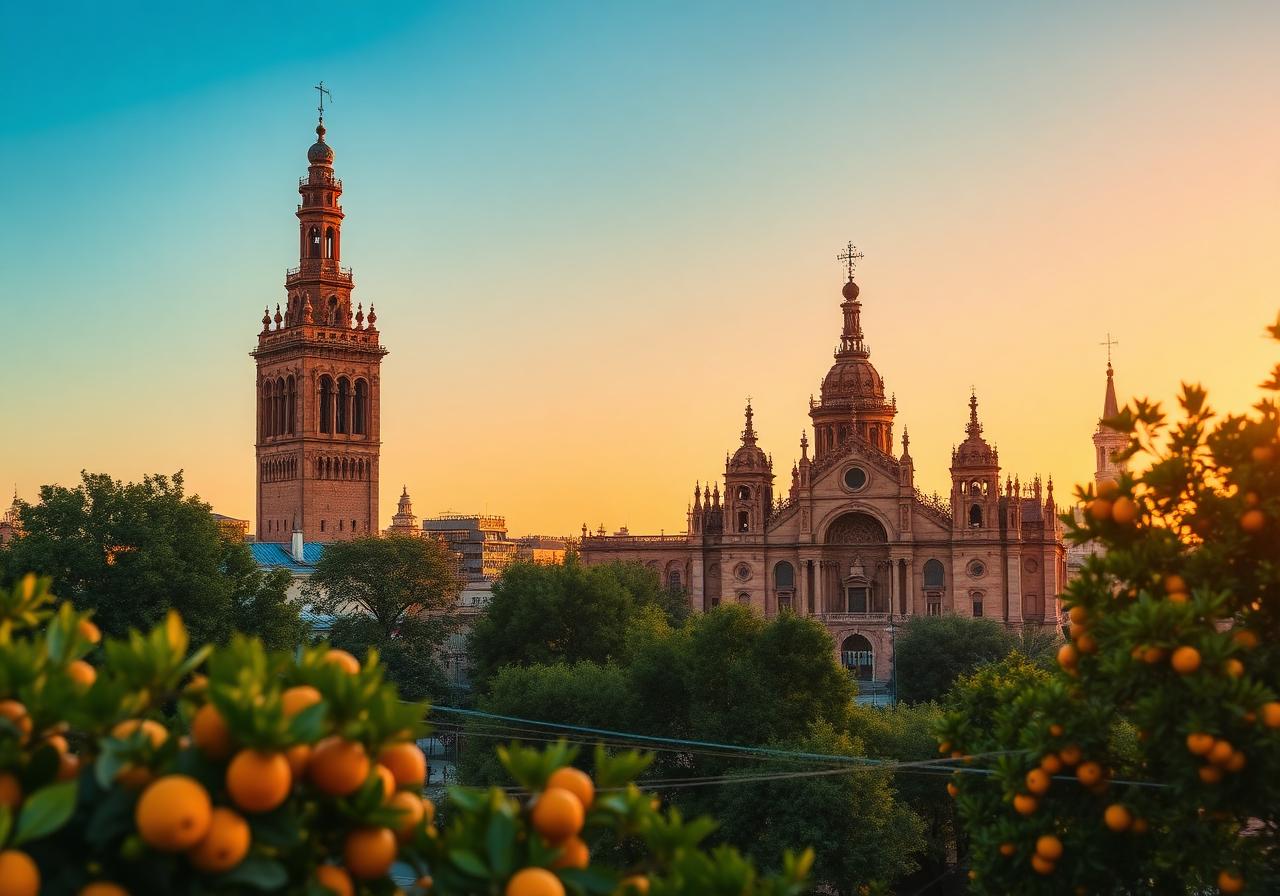
Islamic Isbiliya
Under Al-Andalus, especially with the Almohads, Sevilla lived a golden age: alcázar, great mosque, minaret (today the Giralda), Torre del Oro and a port looking to both seas.
View place page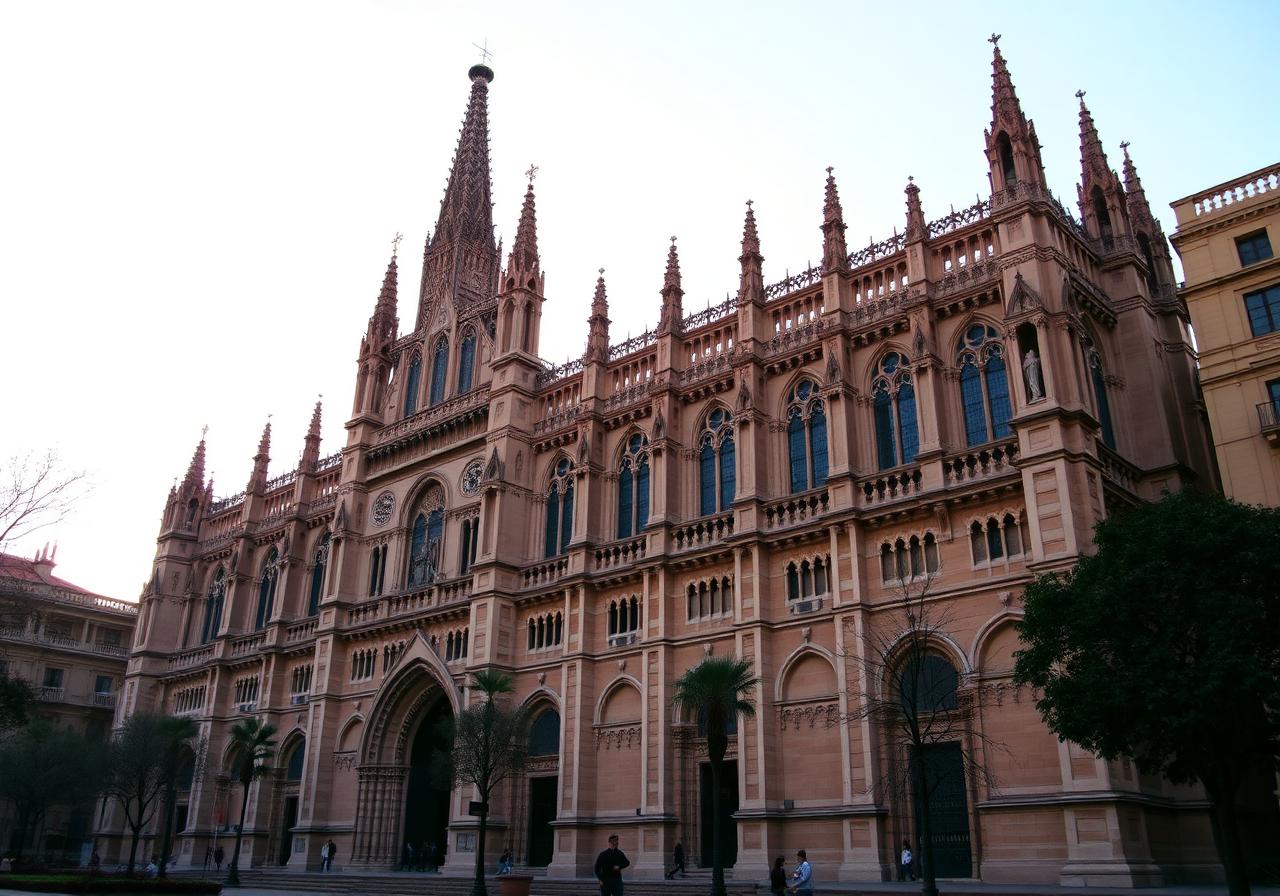
Christian medieval Sevilla
Conquered by Ferdinand III in 1248. The great mosque became the Cathedral, and Mudéjar art fused Andalusi sensibility with the new Christian city.
View place pageSevilla and the Americas
From 1503, the Casa de la Contratación held the monopoly of trade with America. Sevilla turned rich, cosmopolitan and Baroque: gold, azulejos, convents and art.
View place page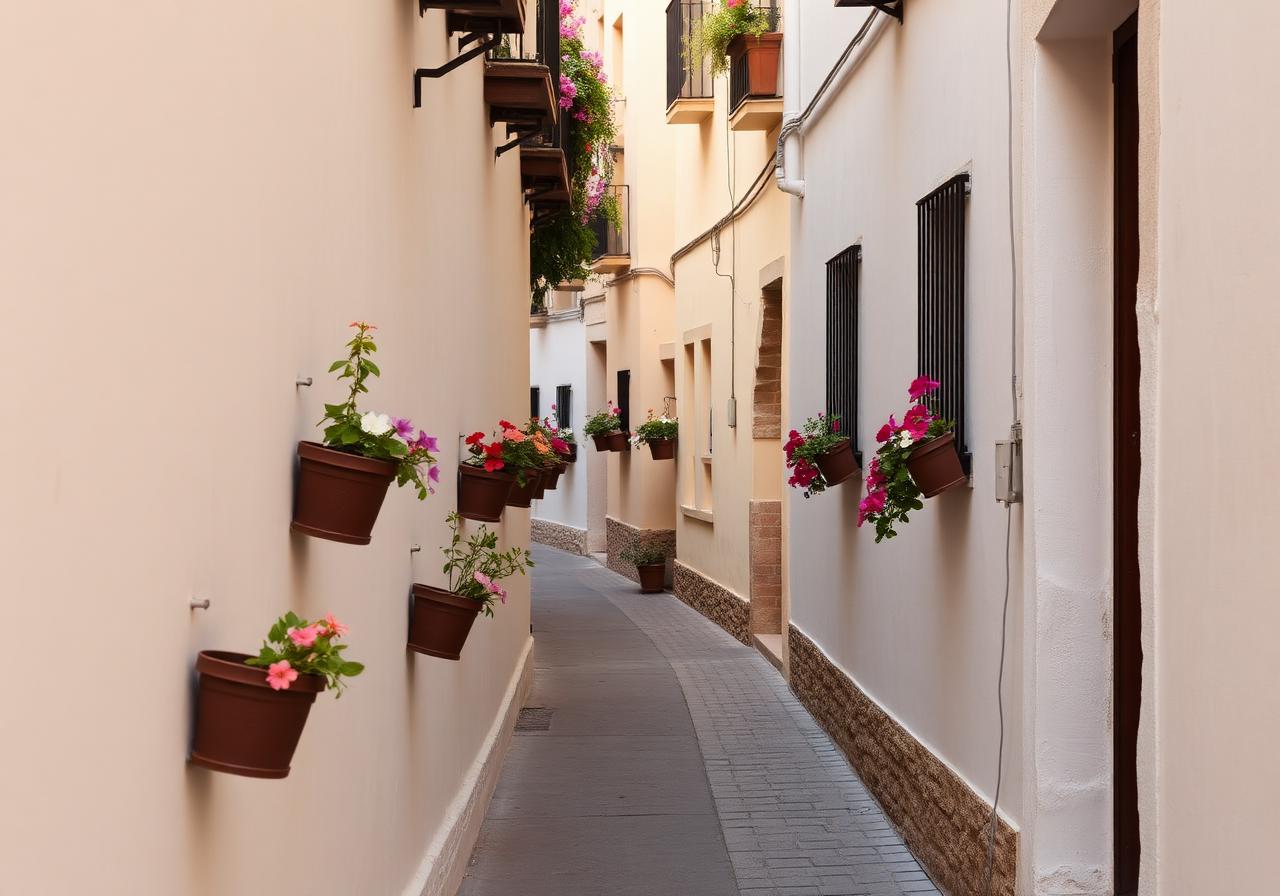
Baroque Seville
After Trent, Seville fills with gilded altarpieces, convents and processions. Murillo, Velázquez, Zurbarán and Martínez Montañés define the 17th-century Spanish school here.
View place page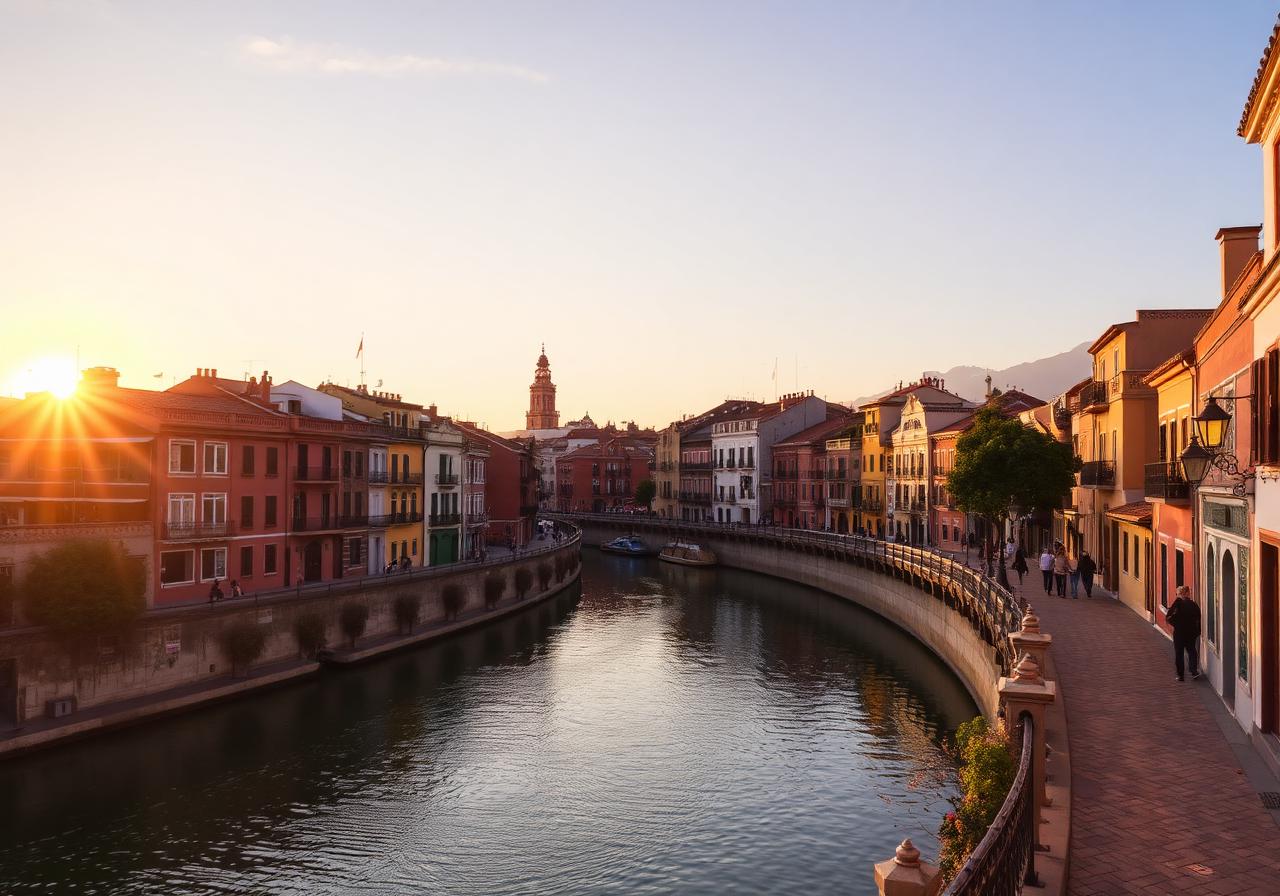
Popular Seville
Triana, La Macarena, San Lorenzo: neighbourhoods that keep flamenco, brotherhoods and patios alive. Without them neither Holy Week nor the Feria make sense.
View place page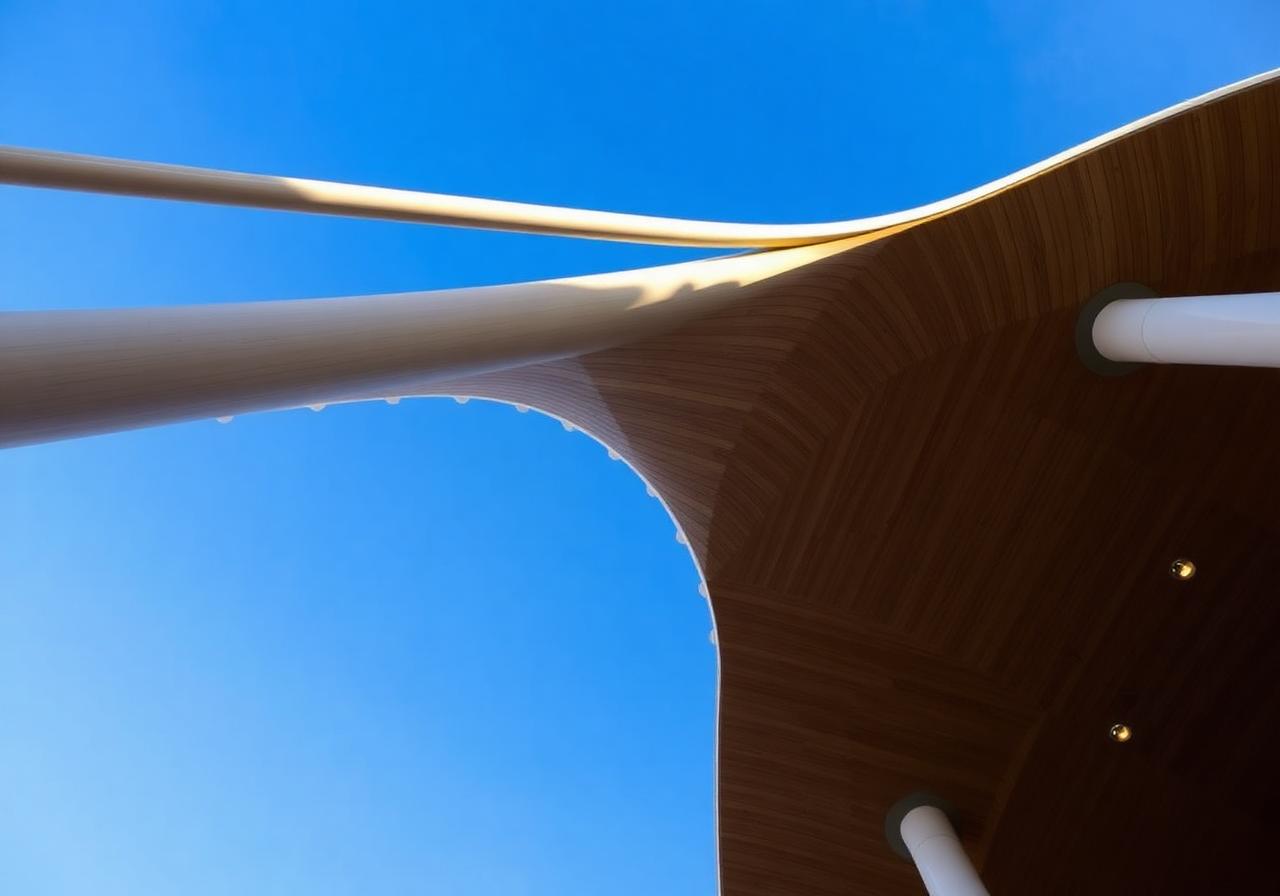
Modern Seville
From the 1929 Exposition to Expo 92, Las Setas and today's city: culture, universities, science and 21st-century Andalusian life.
View place page