Listen to audio guide
≈ 2–3 min
Transcript
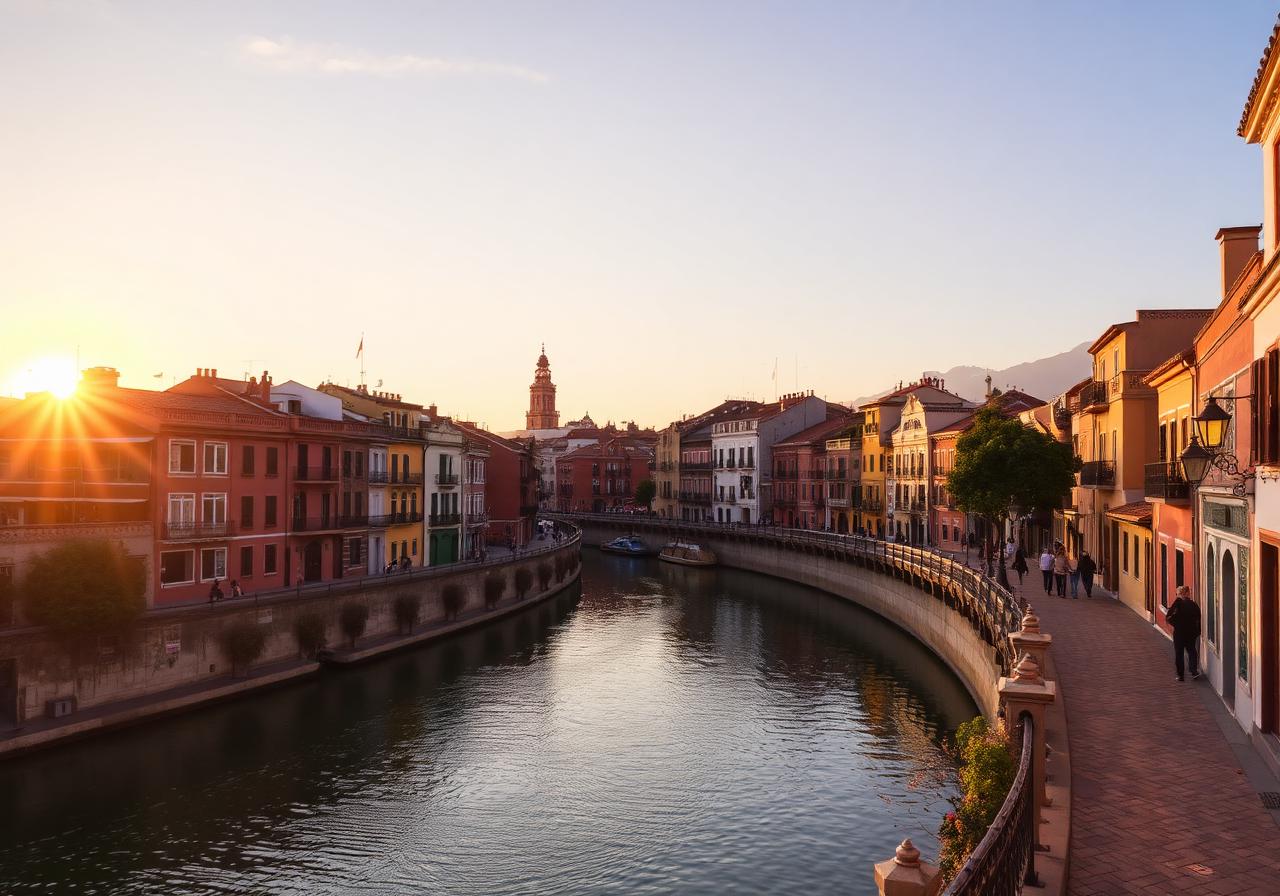
You are in Triana, the neighbourhood that looks at itself in the Guadalquivir from the far side of the bridge. For centuries, those born here said they were trianeros first and Sevillans second — that pride is still alive. Cross the Puente de Triana, officially Puente de Isabel II, an iron bridge from 1852 inspired by those in Paris. On your right you'll see the Chapel of El Carmen and behind it the Triana Market, built on the remains of the old Castle of San Jorge, seat of the Inquisition. In its basement, a small museum tells that dark story. Walk down Calle Callao and you'll find the Centro Cerámica Triana. This is the city of tiles: thanks to the fine river clay, azulejos have been produced here for centuries to decorate convents, patios and squares across Andalusia and even the Americas. You'll still see working workshops. Carry on to Calle Betis, with its coloured houses facing the Torre del Oro — the most romantic walk in Sevilla, especially at sunset. Triana is also a cradle of flamenco: legendary singers such as La Niña de los Peines or Manolo Caracol were born here, and many tablaos and peñas keep that authentic essence alive. Visitor tip: have a plate of pescaíto frito in any local bar, then cross the bridge at nightfall and look back at Sevilla. You'll understand why trianeros like to say their neighbourhood isn't in Sevilla — Sevilla is across from Triana.