Recommended time
2-3 hours
Best moment
Early morning
About
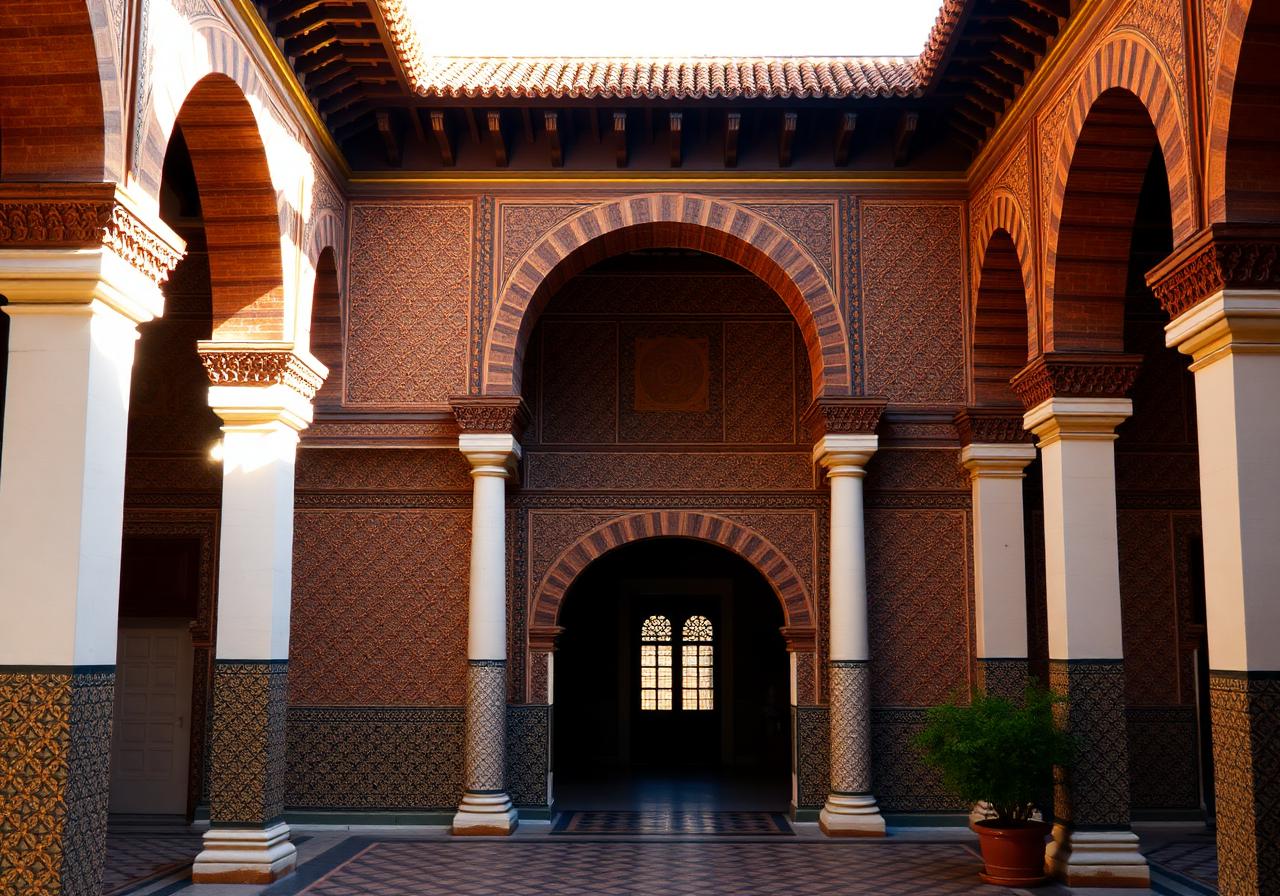
Built over former Muslim palaces, the Alcázar blends Mudejar, Gothic and Renaissance art. Its halls, patios and gardens form one of Europe's most impressive palatial complexes, a UNESCO World Heritage Site.
History
The Royal Alcázar has never stopped being lived in. Its foundations hold the memory of Andalusi Isbiliya and the Almohads, but it was Pedro I of Castile who, in the 14th century, summoned Mudéjar craftsmen to create the palace we admire today: an intimate dialogue between Al-Andalus and the Crown of Castile. Voyages to the Americas were planned here, and Spanish kings still stay here. It is Europe's oldest royal palace still in use.
What to look at
Patio de las Doncellas, Hall of Ambassadors, María de Padilla baths and peacock-filled gardens.
Recommended duration
2–3 h
Best moment
Early morning.
Ideal for
Families, couples, Game of Thrones fans.
Nearby
Cathedral, Archive of the Indies, Santa Cruz.
Good to know
Largely accessible; some gardens uneven.
Visitor tip
Book a timed slot. Add the 'Cuarto Real Alto' tour for the royal apartments.
Why visit
It's Europe's oldest royal palace still in use and a unique visual experience.
Tips
Book online in advance. On-site queues can be very long.
Related
Sevilla in 1 day
Essentials: Alcázar, Cathedral, Santa Cruz, Plaza España and Triana.
What to see inside the Alcázar, room by room
The Alcázar is not one palace but several stacked on top of each other. You enter through the Patio del León, part of the old Almohad wall, and the logical route runs Patio de la Montería, Palace of King Don Pedro, Halls of Charles V and finally the gardens.
The heart of it is the Patio de las Doncellas, with its long reflecting pool and Mudéjar plasterwork mirrored in the water. Behind it lies the Ambassadors' Hall, the most sumptuous room, crowned by a gilded wooden dome. Downstairs, the Baths of Doña María de Padilla are an underground gallery of vaults and still water that almost nobody photographs well and almost everybody remembers.
- Patio de las Doncellas: Seville's best-known Mudéjar courtyard.
- Ambassadors' Hall: 15th-century gilded dome.
- Baths of María de Padilla: underground vaults beside the gardens.
- Gardens: hedge maze, Grutesco gallery and peacocks.
How long to stay and in what order
Two hours is enough to see it; three is enough to enjoy it. A realistic split is one hour of palaces, forty minutes of gardens and the rest for sitting down. Add half an hour if you use an audio guide.
The classic mistake is to burn all your energy indoors and rush the gardens. On a hot day, flip the order: head straight for the gardens when the doors open, while there is still shade and dew, and keep the interiors for mid-morning.
When to go, season by season
From March to May the orange trees are in blossom and the gardens are at their peak — it is also the busiest time. From June to September the only comfortable slot is 9:30 to 12:00. In November, December and January the Alcázar is almost empty and the low winter light on the tiles is probably the best of the year.
Check what's on in Seville too: during Holy Week and the April Fair the old town changes rhythm and it pays to visit first thing in the morning.
What to do right afterwards
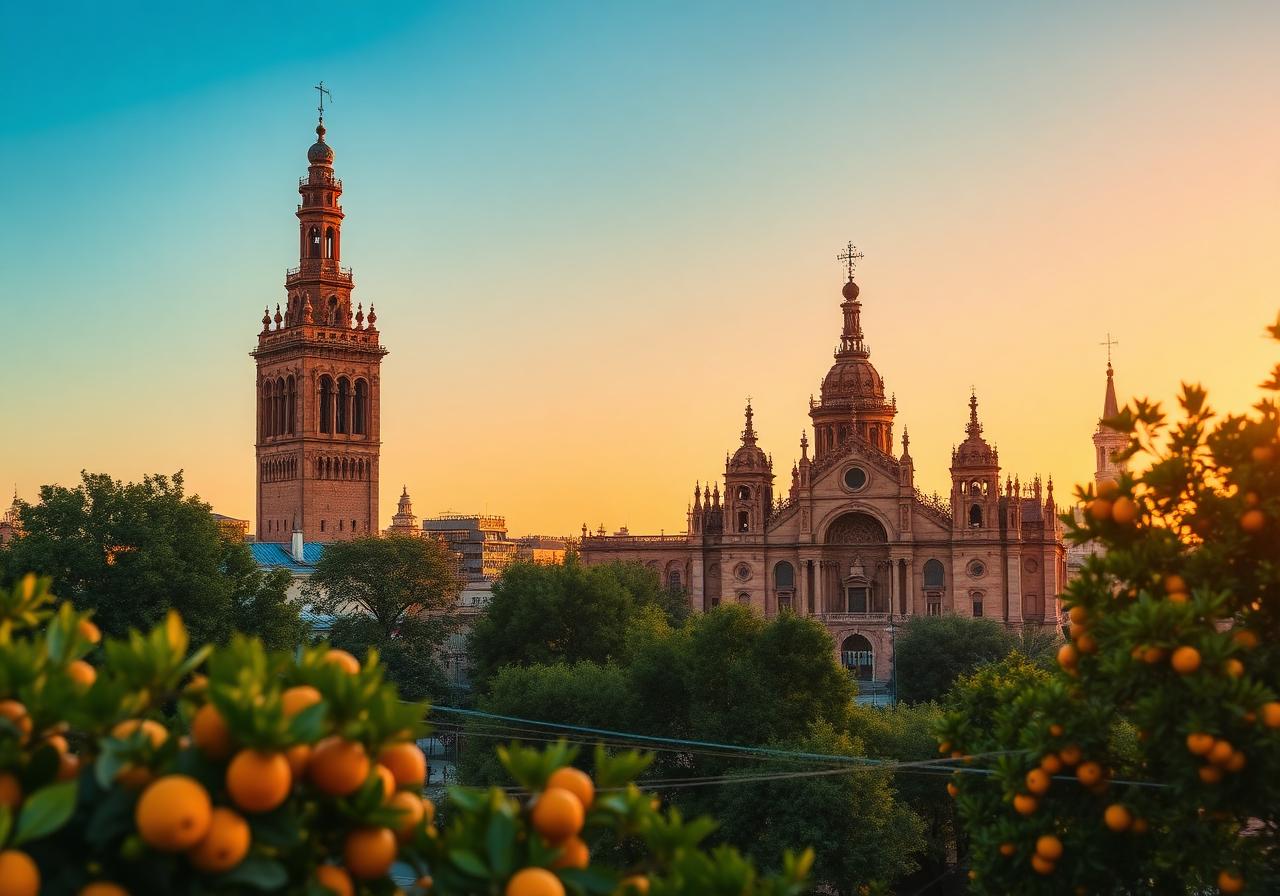
Leaving through the Patio de Banderas puts you two minutes from the Cathedral and the Giralda and two more from the Archive of the Indies, which few visitors enter and which takes half an hour. North of the gate begins the Santa Cruz quarter, the easiest place to eat without walking away.
If this is your first visit, the 48-hour Seville guide strings those three sights into a single morning without backtracking, and sends you to Plaza de España in the afternoon for the best light.
Only got a weekend? The 48-hour Seville guide puts Royal Alcázar of Sevilla at the right time of day and links it to the rest of the old town.
Anu's local tip
Local guide · Sevilla
Book the first morning slot. In summer, the Lion's Courtyard turns into an oven after noon. Most visitors stop at the palaces — spend at least 30 minutes in the gardens, the coolest shade in the old town.
Why go
The Alcázar is Sevilla's living jewel: a thousand years of Mudejar art, Almohad courtyards, Christian halls and gardens scented with orange blossom. Isabella the Catholic and Game of Thrones in the same walk.
Best time
First slot (09:30) or late afternoon. From June to September avoid 12:00–17:00. December and January are pleasant almost any time.
What to avoid
Buying tickets at the door in summer (60–90 min queues), stepping off the garden paths, and leaving without seeing the baths of María de Padilla.
Best photo spot
The Patio de las Doncellas at opening, empty. From the garden viewpoint towards the Giralda at sunset.
Nearby / next
Leave via Patio de Banderas, grab tapas at Bodeguita Romero or Las Teresas in Santa Cruz, then walk two minutes to the Cathedral.
With kids
Great with kids: open courtyards, a hedge maze in the gardens and roaming peacocks. Bring water and plan an ice-cream stop.
Good to know
Online booking essential in high season. There is a free late-afternoon slot on Mondays (very limited capacity, long queues). Small backpacks allowed.