Listen to audio guide
≈ 2–3 min
Transcript
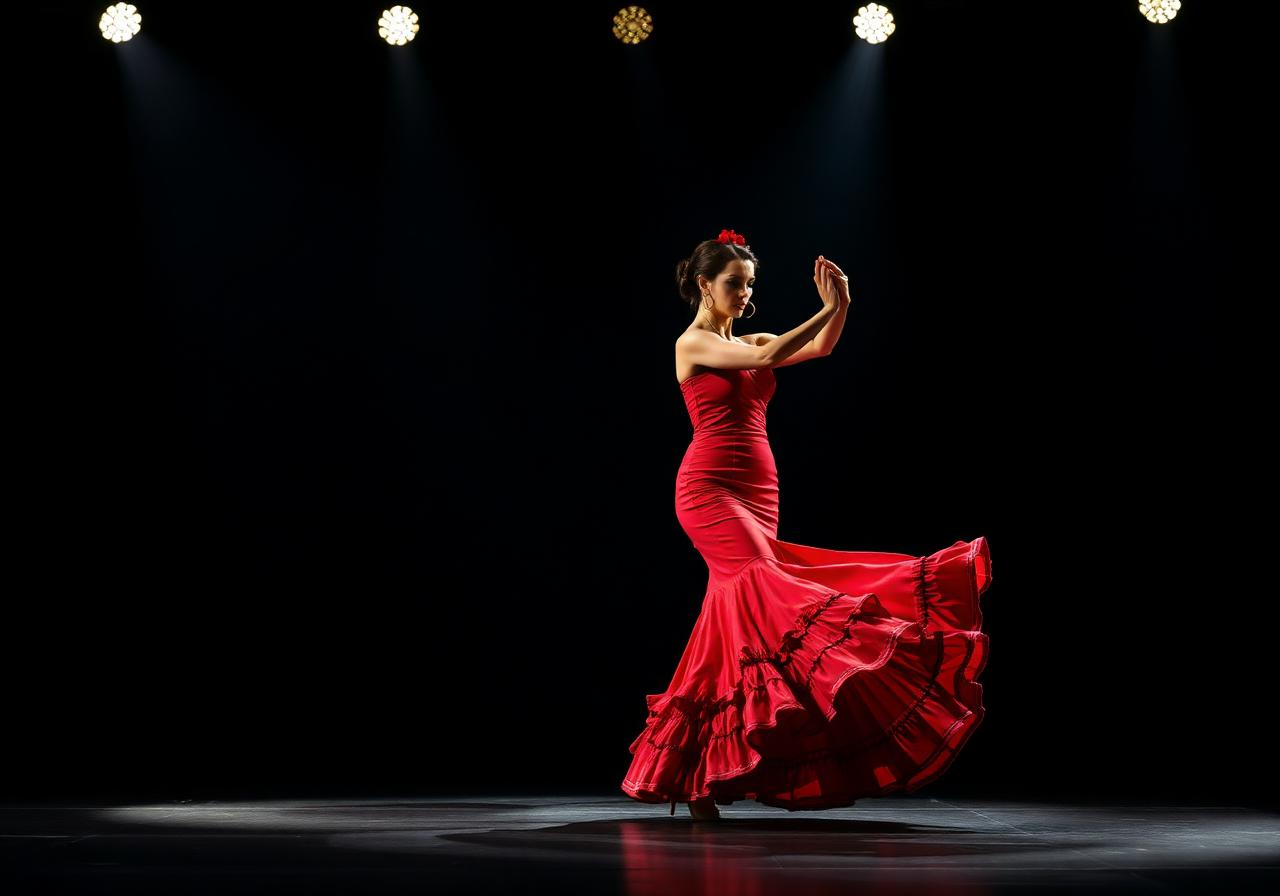
Flamenco was not born from nothing. It is the fruit of centuries of encounter between gypsies, Moriscos, Sephardi Jews, Africans and poor Andalusians along the lower Guadalquivir. Sevilla, together with Jerez and Cádiz, is one of its three capitals. Here, above all in Triana and around La Alameda, many of its palos and figures were forged. A palo is a style, each with its own rhythm and emotion: soleá sounds like solitude and dignity; seguiriya is pure grief; bulería is unleashed party; fandango is light and verse; sevillana, the most popular, is danced in couples at the fairs. Giants were born in Sevilla: Silverio Franconetti in the 19th century, La Niña de los Peines, Manolo Caracol, Antonio Mairena and many more. The Sevillan flamenco guitar also has its own voice, shaped by masters such as Diego del Gastor and Manolo Sanlúcar. Today there are three ways to feel it: the tablaos, meant for visitors and often very good; the theatres, with more elaborate shows; and the peñas, small associations where flamenco is intimate and authentic, and people often sing together at the end. Visitor tip: stop at the Museo del Baile Flamenco of Cristina Hoyos near the Cathedral to understand what you're seeing; and at least once, skip the late dinner and sit close to the stage in a small tablao in Triana or Santa Cruz. Listen even if you don't understand — flamenco is grasped first with the body, and only afterwards with words.